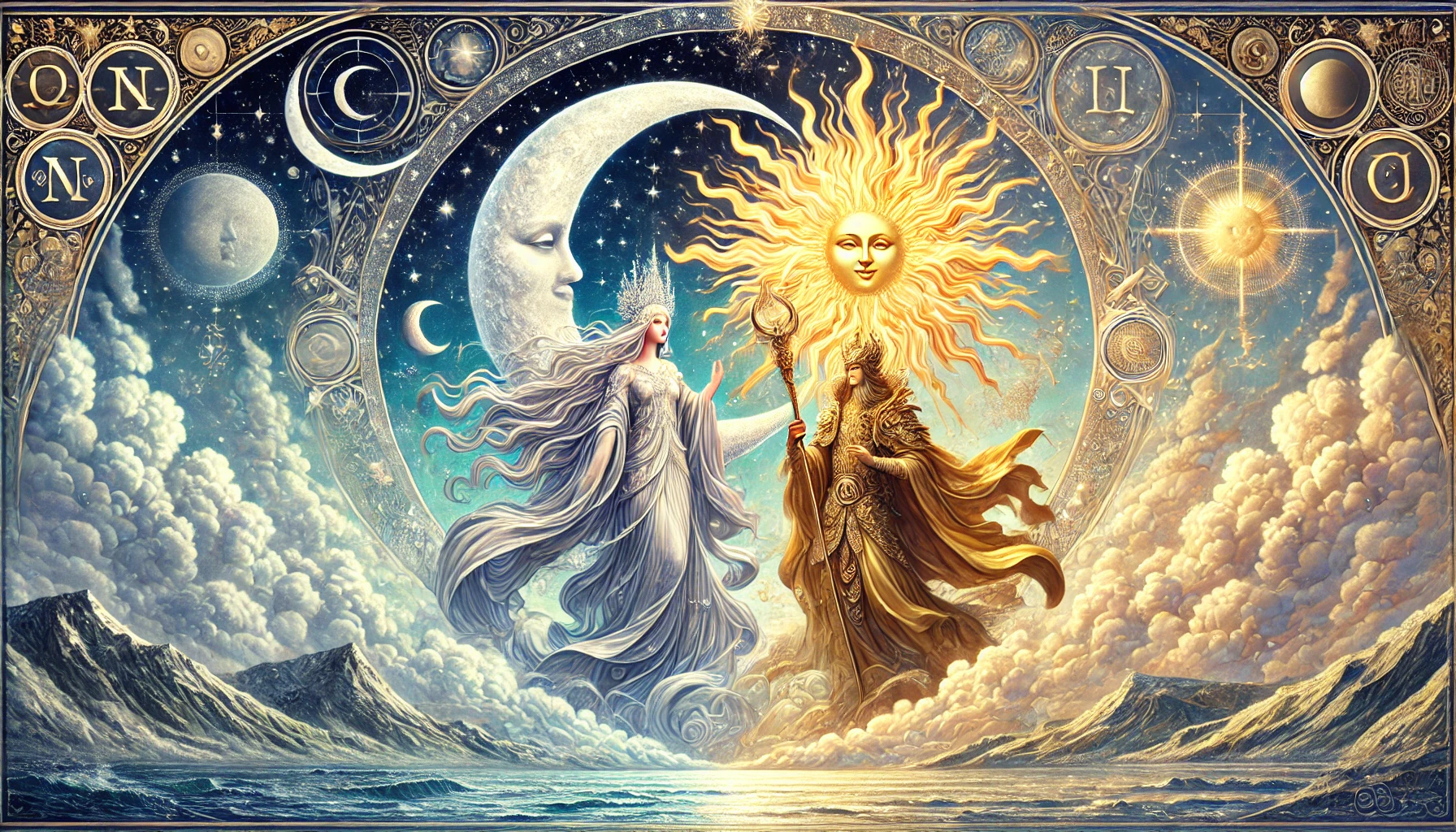
The modern discourse on gender identity has become increasingly multifaceted, with debates often neglecting the symbolic and psychological dimensions that shape human experience. Carl Jung’s insights into archetypes, particularly the Anima and Animus, provide a valuable framework for understanding gender as a symbolic and universal orientation within the psyche. This perspective challenges the prevailing reduction of gender to either fixed biological determinants or purely social constructs, offering instead a richer, more layered understanding of human identity. In this blog, we explore how Jung’s archetypal framework illuminates the current debates, particularly in light of the disruption caused by social media and its amplification of archetypal energies.
The Archetypes of Gender
Jungian archetypes are universal psychic structures that influence human behaviour and cultural expressions across time and geography. Within this framework, the Anima and Animus represent the unconscious feminine and masculine aspects present in every individual. Far from rigid categories, these archetypes are dynamic forces that shape how we relate to ourselves and others. While biological sex offers a grounding reality, these symbolic orientations of the psyche transcend physical distinctions, reflecting an essential dimension of human experience that all cultures have recognised through myth, art, and ritual. Understanding these archetypes helps clarify the deeply rooted psychological forces underpinning gender identity.
The Crisis of Archetypes in the Digital Age
In the past, the symbolic structures of gender were mediated by cultural narratives, rituals, and shared myths. Today, social media has fragmented these traditional mirrors, creating an unmediated and often overwhelming encounter with archetypal energies. Platforms like Instagram, Twitter, and TikTok act as amplifiers for the unconscious, reflecting back intuitive symbols and archetypal patterns without context or guidance. This digital ‘mirror’ invites millions to confront the raw and potent world of archetypes in ways for which they are unprepared, exacerbating confusion and conflict in discussions about gender. The symbolic depth that once provided coherence and meaning is often lost in the noise of instant feedback loops and viral trends.
Gender Symbols vs. Biological Sex
A core challenge in the current discourse is the conflation of symbolic gender archetypes with biological sex. While sex refers to physical and genetic attributes, symbolic gender operates within the realm of the psyche, shaping identity through intuitive and archetypal imagery. Neglecting this distinction oversimplifies the complexity of gender and diminishes its psychological significance. Jung’s insights remind us that the psyche is not bound by binaries, but is a multidimensional landscape where archetypes interplay. This nuanced understanding is vital for moving beyond polarised debates and recognising the richness of human identity as both embodied and symbolic.
The Shadow and the Unprepared Psyche
Jung warned of the dangers posed by unintegrated archetypes, which often manifest as the Shadow—those unconscious aspects of the psyche that are repressed or denied. In the context of gender identity, the intense projection of unexamined Anima and Animus energies fuels much of the polarisation seen in contemporary culture. Social media amplifies these projections, creating echo chambers where unresolved psychic conflicts play out in public and interpersonal arenas. Without reflective engagement or cultural frameworks to mediate these energies, individuals risk being overwhelmed by their own inner worlds, mistaking archetypal symbols for external realities. Recognising the role of the Shadow is essential for fostering healthier and more constructive dialogues around gender.
Archetypes of the Anima and Animus
In Jungian psychology, the Anima and Animus represent archetypal images of the unconscious feminine and masculine aspects within every individual. The Anima is the feminine dimension of the male psyche, embodying qualities such as emotional depth, intuition, nurturing, and connection to the inner world. The Animus, conversely, represents the masculine dimension of the female psyche, characterised by logic, assertiveness, rationality, and a drive toward intellectual clarity and outer action. These archetypes serve as mediators between the conscious self and the vast, uncharted realm of the unconscious, facilitating personal growth by integrating the “other” within ourselves.
These archetypes are not confined to biological sex; instead, they reflect universal principles of psychic energy, which are encountered as symbolic figures in dreams, fantasies, myths, and art. The integration of the Anima and Animus is crucial in the individuation process—the journey toward wholeness—enabling individuals to embrace their fuller, more balanced potential.
On a psychosocial level, the Anima and Animus shape expressions of gender identity by influencing how individuals internalise and project their understanding of femininity and masculinity. For instance, when these archetypes remain unconscious or are overly repressed, they are projected outward onto others, shaping interpersonal relationships and cultural dynamics in ways that often lead to idealisation, conflict, or misunderstanding. Conversely, conscious engagement with these archetypes promotes inner harmony and fosters authentic connections with others, transcending rigid gender norms.
In the realm of art and culture, Jung emphasises that the Anima and Animus emerge vividly as symbolic motifs derived from the Collective Unconscious—the shared reservoir of human experience and knowledge that transcends individual lives. Across cultures, myths and stories have depicted these archetypes in various forms, from goddesses and muses to warrior-heroes and wise elders. Such representations provide a symbolic language for exploring the fluidity of gender, as well as the deep psychological interplay between the inner and outer worlds.
Through the lens of Jung’s theory, contemporary discussions about gender identity can be seen as expressions of this archetypal dynamic. Social media and modern art forms, for instance, mirror the ongoing negotiation between conscious identity and unconscious archetypes, as individuals and societies grapple with the integration of these symbolic energies. Recognising the role of the Anima and Animus within the Collective Unconscious deepens our understanding of gender identity and reaffirms the transformative power of art and culture as spaces for collective reflection and individuation.
The Potential for Healing and Integration
Jungian psychology offers a pathway toward healing by encouraging individuals and cultures to engage consciously with archetypes. Understanding the symbolic dimensions of gender allows us to integrate these unconscious forces, leading to greater psychological balance and authenticity. This process requires education, reflection, and the creation of spaces where nuanced conversations can take place. By grounding these discussions in a more profound awareness of archetypes, we can move toward a more integrative understanding of identity that honours both individual uniqueness and shared human experiences. Social media, if used wisely, can become a tool for fostering this reflective engagement, rather than perpetuating division.
The archetypal dimensions of gender, as articulated by Jung, offer profound insights into the complexities of identity politics. Recognising these symbolic layers can enrich our understanding of the human experience and provide tools for navigating the disruptions of the digital age. By engaging with these insights, we can begin to rebuild a coherent framework for discussing gender that honours both its psychological depth and its cultural significance. As the symbolic mirror of social media continues to shape our collective consciousness, the integration of Jungian archetypes into the conversation offers a hopeful path toward greater understanding and harmony.