
This blog discusses the concept of active imagination, a process of dialoguing with and giving expression to the unconscious aspects of the psyche. It highlights Carl Jung’s discovery of active imagination through his experiences of confronting the unconscious during a psychological crisis, leading him to find that by actively engaging with images and figures from his unconscious, he could integrate them into his psyche for greater wholeness.
The purpose of this blog is to suggest some ideas and practices for the creation of radio programmes that fall outside the formatted style of programming, which often follows a rigid structure and conforms to certain norms and expectations. Instead, we will explore how active imagination can help radio content producers to tap into their own unique point-of-view and their style of aesthetic and creative practice, allowing them to produce more original, authentic, and meaningful radio content that resonates with themselves and their listeners. Active imagination can also help radio content producers to overcome creative blocks, discover new perspectives, and enrich their personal development.
What is Active Imagination
Active imagination involves entering a relaxed, meditative state to access the unconscious, observing spontaneous images, fantasies, or emotional states that arise, and then actively engaging with these unconscious contents. This engagement can take the form of imagining a dialogue or interaction with the unconscious elements and expressing the results through art, writing, movement, or other creative means. The goal is to build consciousness, integrate the unconscious, and achieve greater psychic balance and wholeness, essentially bridging the conscious and unconscious aspects of the psyche.
In this post, we will follow a set of suggested steps for practising active imagination according to Jung’s concept, as well as common challenges, misconceptions, examples in literature and film, and ways active imagination can be used to explore personal issues, specific symbols, or archetypes, and integrate unconscious contents. It also discusses the importance of rituals in enhancing the practice of active imagination.
Active imagination, a concept developed by Carl Jung, can play a pivotal role in maintaining a balanced and healthy psyche by exploring creative arts, music, and symbols as part of a process of analytic therapy. The use of active imagination in this context involves a conscious engagement with the unconscious mind, allowing for the emergence of novel ideas, themes, and creative expressions that can enrich the content and delivery of any creative activities we are undertaking.
Below are ways in which active imagination can be effectively utilised:
Ideation and Concept Development
Active imagination can also help to analyse the form and content of radio and audio material, as well as the information and purpose of the content that is carried. By imagining how different forms of audio, such as speech, music, or sound effects, convey different meanings and emotions, creators can choose the most suitable and effective form for their content. Similarly, by imagining how different types of content, such as news, entertainment, or education, serve different purposes and audiences, creators can tailor their content to their specific goals and listeners. Active imagination can thus enhance the quality and relevance of radio and audio material.
- Exploring Underlying Themes: Through active imagination, programme creators can delve into the unconscious to uncover deep-seated themes and narratives that resonate on a universal level. This process can yield rich content ideas that connect more profoundly with listeners, offering them a more engaging and meaningful listening experience.
- Character and Story Creation: For segments that involve storytelling or dramatisation, active imagination can be used to develop complex characters and narratives. By engaging in dialogues with these imagined characters or scenarios, creators can discover unexpected plot twists, character motivations, and emotional depth that add value to the programme.
- Innovative Format Ideas: Engaging with the unconscious can inspire unconventional programme formats that break the mould of traditional radio shows. This could involve unique ways of integrating interviews, music, and soundscapes or novel interactive segments that involve the audience in creative ways.
- Music and Sound Selection: Active imagination can guide the intuitive selection of music and sounds that evoke the desired emotional response or thematic resonance. This process can lead to the discovery of lesser-known musical pieces or soundscapes that enhance the programme’s aesthetic and therapeutic goals.
- Enhancing Creativity: Producers and hosts can use active imagination to tap into their creative reservoirs, leading to more inspired and original content. Whether it’s through the scripting of segments, the choice of interview questions, or the spontaneous interaction with guests, active imagination can elevate the programme’s creativity.
- Problem-Solving: When faced with production challenges or creative blocks, active imagination can be a tool for finding innovative solutions. By allowing the mind to wander freely and engage with the problem in imaginative ways, unexpected solutions can emerge.
Jung’s Development of Active Imagination
Carl Jung, the eminent Swiss psychiatrist and psychoanalyst, significantly advanced the field of analytical psychology through his pioneering use of active imagination. This technique became a cornerstone of his therapeutic approach, enabling clients to delve into the uncharted territories of their unconscious mind. Jung discovered that by encouraging individuals to engage directly with their spontaneous fantasies, dreams, and emotions in a conscious and deliberate manner, they could unearth and confront the unbalanced aspects of their psyche. This process facilitated a dialogue between the conscious self and the unconscious, revealing the underlying conflicts, desires, and archetypal energies that often drive psychological distress and imbalance.
Jung’s innovative approach provided his clients with a unique therapeutic tool, empowering them to use creative and imaginative techniques to explore the depths of their psyche. By actively participating in this exploratory process, individuals were able to identify and understand the sources of their psychological conflicts. More importantly, active imagination enabled them to develop compensatory responses—creative solutions and psychological adjustments that countered the dominance of unhelpful unconscious influences on their conscious mind. This, in turn, helped to restore a sense of equilibrium within their psyche, bringing into focus the aspects of their lives that had been overshadowed by their struggles.
Through the practice of active imagination, Jung’s clients discovered a path to healing that was both deeply personal and profoundly transformative. By fostering a creative engagement with their inner world, individuals find meaningful purpose in their situations, unlocking a wellspring of psychological and spiritual growth. This approach underscored Jung’s belief in the therapeutic power of the imagination and its crucial role in the individuation process—the journey towards wholeness and self-realization. Carl Jung’s legacy in the use of active imagination thus remains an invaluable contribution to the understanding and treatment of psychological distress, offering a beacon of hope to those seeking balance and meaning in their lives.
Radio as a Symbolic Space
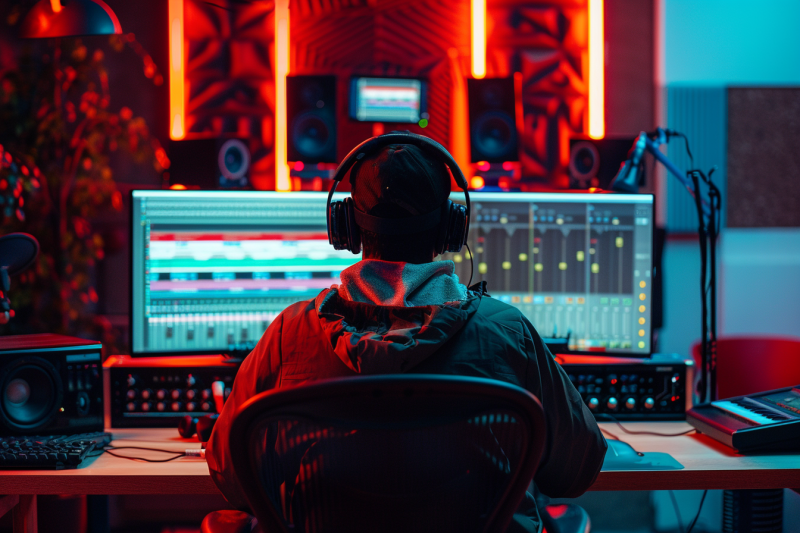 In the realm of radio programming, sound transcends its auditory nature, becoming a profound medium for conveying symbolic content that resonates deeply within the cultural psyche. The nuanced use of sound and music within this medium serves not merely as background or entertainment, but as a vibrant tapestry of meanings and associations that speak directly to the listener’s subconscious. This symbolic use of sound can transform radio into a conduit for culturally resonant narratives, connecting individuals to the collective memories, emotions, and values of their communities.
Music and sound, when structured into programming, become iconotypes—auditory symbols that encapsulate complex ideas, emotions, and cultural narratives in a form that is immediately accessible and evocative to the listener. These auditory icons can convey a multitude of meanings, from the sacred to the profane, the communal to the personal, embodying the essence of cultural identity and collective experience. They serve as mythogenetic centres, focal points around which narratives of identity, tradition, and communal values coalesce, nurturing the mythopoetic imagination of the audience.
The symbolic use of sound in radio programming taps into the mythogenetic power of music and soundscapes to evoke shared cultural memories and emotions, effectively creating a communal space of reflection and connection. This approach allows radio to operate as a cultural touchstone, a mirror reflecting the more in-depth meanings and values that bind communities together. Through the careful selection and arrangement of sounds and music, radio programmers can craft narratives that bridge the personal and the universal, inviting listeners into a shared exploration of their cultural heritage and its contemporary expressions.
This symbolic engagement with sound and music enables radio to fulfil a critical role in the maintenance and evolution of cultural narratives. By acknowledging and harnessing the power of sound as a carrier of in-depth meanings, radio programming can contribute to the ongoing dialogue between the past and the present, fostering a sense of continuity and evolution within cultural traditions. In this way, radio becomes not just a medium of communication but a vital participant in the cultural life of communities, a keeper of stories, and a catalyst for the collective imagination.
Listener Engagement and Therapy
Active imagination is a process of engaging with the unconscious through images, fantasies, dreams, or symbols, and bringing them to conscious expression. This can enhance one’s creativity, problem-solving, and personal growth. Radio programmes that are primarily driven by information exchange primacies may miss out on the potential benefits of active imagination, both for the producers and hosts, and for the listeners. Therefore, it may be beneficial to incorporate active imagination activities into the development of radio programmes, including opportunities to explore personal or collective unconscious themes that are relevant to the programme’s topic or audience, and expressing them in creative ways, such as through music, poetry, drama, or art.
This can include:
- Using active imagination to generate alternative perspectives, scenarios, or solutions for the issues or challenges discussed in the programme and inviting listeners to share their own imaginative responses.
- Creating a space for reflection and dialogue between the conscious and the unconscious, and between the self and the other, through active imagination exercises that foster empathy, curiosity, and insight.
- Encouraging listeners to use active imagination as a way of coping with stress, anxiety, or boredom, and providing them with resources and guidance on how to practice it safely and effectively.
By incorporating active imagination activities into the development of radio programmes, producers, and hosts can tap into a deeper source of creativity and inspiration and offer listeners a more engaging and meaningful experience.
Distraction Therapy Content: For programmes focusing on distraction therapy, active imagination can help in crafting segments that transport listeners to different places, times, or situations, offering a form of mental escape that can be therapeutic.
Interactive Segments: Encouraging listeners to engage in their active imagination exercises through guided segments can promote mental well-being and creativity among the audience. This could involve guided visualisations, imaginative storytelling prompts, or creative challenges that listeners can participate in.
Team Collaboration: Encouraging the use of active imagination within the production team can foster a more collaborative and innovative working environment. Team brainstorming sessions that leverage active imagination techniques can generate a wealth of ideas and strengthen the programme’s creative direction.
Personal Growth: For individuals involved in the programme’s production, regular engagement with active imagination can lead to personal growth, increased self-awareness, and a more profound understanding of the creative process, enriching their contributions to the programme.
Incorporating active imagination into the planning and production of a radio programme dedicated to creative arts, music, and distraction therapy offers a unique approach to content creation. It can transform the programme into a dynamic and immersive experience that not only entertains, but also heals and inspires the listener.
Summary
Active imagination, an innovative technique pioneered by Carl Jung, remains a largely underutilized tool in the realm of radio programming. Its application to this medium offers a unique and powerful means to enhance creative development, particularly in the crafting of immersive soundscapes and sound-worlds. By encouraging producers, writers, and creators to delve into the depths of their unconscious, active imagination facilitates the emergence of novel ideas and themes that can significantly enrich radio content. This process not only fosters a deeper connection with the material on the part of the creators but also enhances the listening experience for the audience, offering them a more engaging and meaningful engagement with the programme.
The practice of active imagination in radio programming could lead to the development of richly layered soundscapes that resonate with listeners on a profound level, tapping into universal themes and narratives that reflect the collective unconscious. Such sound-worlds have the potential to transport listeners to imaginative realms, evoking emotions and thoughts that are often left unexplored in conventional radio formats. Moreover, the active engagement of creators with their unconscious can infuse radio programmes with a depth and authenticity that are palpably felt by the audience, fostering a deeper emotional and psychological connection with the content.
The value of integrating active imagination into radio programming extends beyond the creative enrichment of the content; it also holds significant benefits for the individuals involved in the creation process and the listeners who engage with the end product. For creators, the practice of active imagination offers a pathway to personal and artistic growth, unlocking new dimensions of creativity and self-expression. For listeners, the resultant soundscapes and sound-worlds provide a rich tapestry of auditory experiences that stimulate the imagination, evoke deep-seated emotions, and invite reflection on the human condition.
In summary, the broader adoption of active imagination in the creative development of radio programming represents a promising avenue for exploration. It promises to not only elevate the quality and depth of radio content but also to enrich the creative journey of those involved in its production and offer listeners a more immersive and emotionally resonant experience.
Leave a Reply