The Format International Photography Festival is a biennial photography festival held in Derby, UK. It was established in 2004 and is organized by QUAD in partnership with the University of Derby. The 2024 edition of the festival, called FORMAT24, is taking place from March 16 to July 30, 2024. This marks the 20th anniversary of the festival.
The festival features six exhibitions across Derby and the East Midlands region. At the QUAD centre in Derby, the main exhibitions are:
- Future Tense Living the Future Now – a group exhibition curated by Peggy Sue Amison.
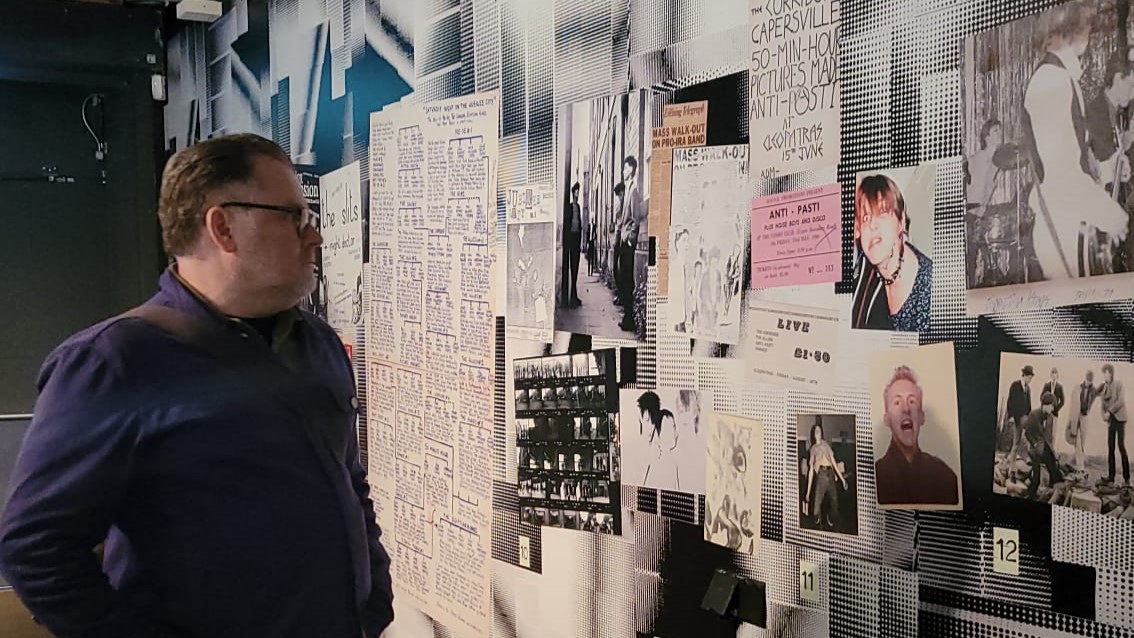
- Jubilee City: Derby Punk in the 1970s – an exhibition drawing on the archive of local artist Aaron Williamson.
Future Now, features work by four UK-based artists selected through an open call.
At the Orangery in Derby’s Arboretum Park, there is an exhibition called Supnaa: Dreams of Our Fathers by photographer Anand Chhabra. In Leicester, there are two additional exhibitions as part of the FORMAT24 program. The festival also includes a range of other events such as talks, workshops, portfolio reviews, and a 20th birthday party celebration.
Overall, the Format International Photography Festival is a major biennial event that showcases both established and emerging photographers, with a focus on contemporary and experimental photographic practices.
I visited Derby on Thursday 4th April to see the Format24 festival, which is one of the leading photography events in the UK. I was interested in seeing how different artists explored the theme of Future Now, and how they used photography to challenge and diversify our perspectives on the world.
However, I was disappointed with the limited framing of the exhibition and the way it had been compressed into a single space in the Quad Gallery. In past years, the festival had been spread over multiple sites and venues, including pop-up shops and public spaces. I felt that this reduced the impact and diversity of the works on display and did not reflect the theme of Future Now very well.
The Jubilee City: Derby Punk in the 1970s exhibition, showcased as part of Format24, offered a much-anticipated glimpse into the punk scene of Derby during a decade of significant cultural shift. Regrettably, the exhibition fell short of expectations, primarily due to its scant selection of original photography. This paucity of genuine photographic artefacts from the era was a notable oversight, especially considering the exhibition’s potential to illuminate the punk movement’s profound impact on working-class youth of the time.
Furthermore, the exhibition missed a crucial opportunity to delve into the symbiotic relationship between photography and the punk subculture, particularly how this visual medium served not only as a form of expression but also as a documentary tool that captured the essence of working-class punks’ rebellion and resilience in the 1970s. This omission left attendees wanting for a deeper exploration and understanding of the intrinsic role photography played in articulating the ethos and identity of the punk movement within the social fabric of the time.
The “Future Now” component of the Format24 festival, while ambitious in its thematic scope, unfortunately presented an underwhelming experience. This segment was characterised by a disconnected assortment of images, which, while aesthetically striking, often strayed too far from a tangible sense of realism. This approach resulted in a collection that, though artistic, seemed overly detached from the empirical realities that photography excels at capturing. Such a prioritisation of artistic disassociation over the medium’s inherent capacity to reflect and represent the world around us led to a missed opportunity.
Photography, with its archetypal strengths in representation, serves not only as a mirror to reality but also as a powerful tool for storytelling and conveying complex narratives grounded in real-life contexts. The “Future Now” exhibition’s deviation from these representational strengths detracted from the potential to engage viewers in a meaningful dialogue about the future it aimed to depict, leaving an impression of disconnection rather than insight.
In hindsight, my journey from Leicester to Derby for the Format24 festival may have been unnecessary, given that one of the festival’s exhibitions was conveniently located at the LCB Depot in Leicester itself. This particular exhibition, however, left an impression akin to a student collection, where no single photographer’s work was permitted to dominate the space. This approach, while democratic, perhaps diluted the potential for more profound thematic exploration or stylistic depth that could have been achieved with a more focused selection of works.
Additionally, it’s noteworthy that Leicester hosted several pop-up venues as part of the festival, with some works even accessible for street view, underscoring the city’s significant role in this year’s festival. The dispersed nature of these exhibitions across Leicester, including these pop-up and street-viewable displays, suggests that the bulk of the Format24 festival’s offerings were, somewhat surprisingly, more concentrated in Leicester rather than its traditional heartland in Derby. This geographical shift in focus, while expanding the festival’s reach, offered a different flavour of experience compared to the centralised festival activities of previous years.
Among the various exhibitions at the Format24 festival, Aideen Barry’s series of self-portraits from 2021 emerged as a notable beacon of creative vitality. Positioned somewhat inconspicuously at the rear of Quad’s exhibition space, Barry’s work effortlessly transcended its physical confines to captivate and engage. Her self-portraits eschew the conventional, offering a refreshing departure from the self-grandeur and pomposity that often permeates the realm of Art Photography. By doing so, Barry’s work serves as a compelling foil to the broader trends within the industry, challenging viewers to reconsider their perceptions of self-representation in art.
Through a combination of technical prowess and introspective depth, these images not only underscore Barry’s adeptness as an artist but also highlight the potential for photography to explore the complexities of the self without succumbing to the trappings of ostentation. This thoughtful juxtaposition, nestled within the larger festival, underscored the value of subtlety and sincerity in an era often marked by its absence in the visual arts.
While the Format24 festival deserves commendation for its efforts, particularly in the face of the stringent budgetary constraints and restrictions currently impacting the UK arts sector, it appears a period of reflection and reassessment may be necessary for its future direction. The pivotal question that emerges is whether the festival’s core identity leans more towards being a participatory arts activity, deeply rooted in the local experiences and aspirations of local photographers to express their imaginative and symbolic spaces, or whether its ambition is to position itself as an international festival that attracts significant names from the global photography scene.
A critical component that seems to be missing in its current iteration is a level of self-criticality, a willingness to introspectively question the festival’s own purpose and place within both the local and international art landscapes. This reflective practice could potentially guide the festival towards a more defined and impactful future, ensuring that it not only meets the expectations of its diverse audiences but also remains true to its foundational values and objectives, whether they lean towards community engagement or international acclaim.
Leave a Reply