
I’ve just returned from my first trip to Japan, and I’m starting a series to make sense of what I experienced. I went in as a tourist—camera out, eyes wide—and came home with a working method for cultural life: Ikigai-informed cultural engagement.
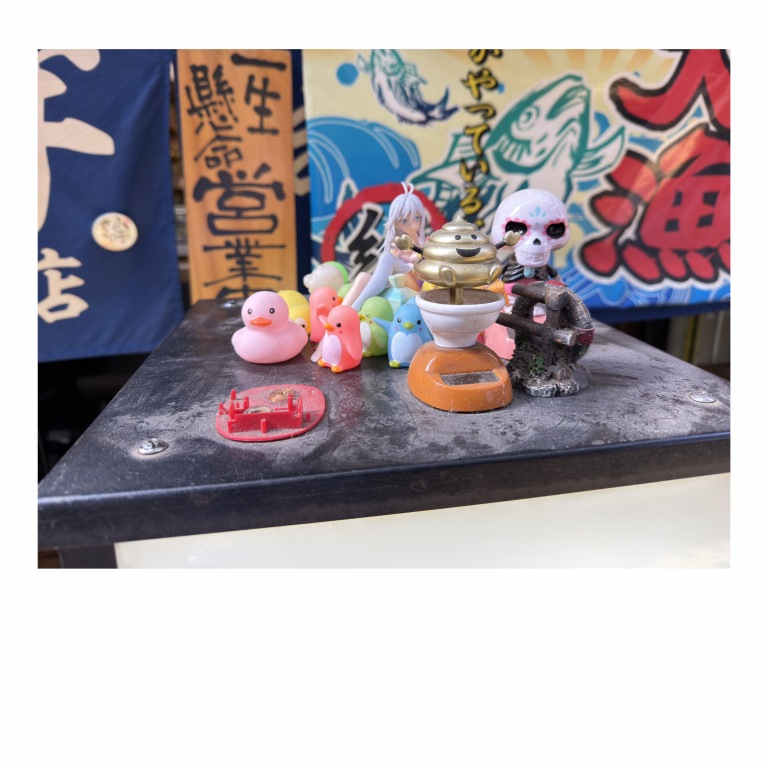
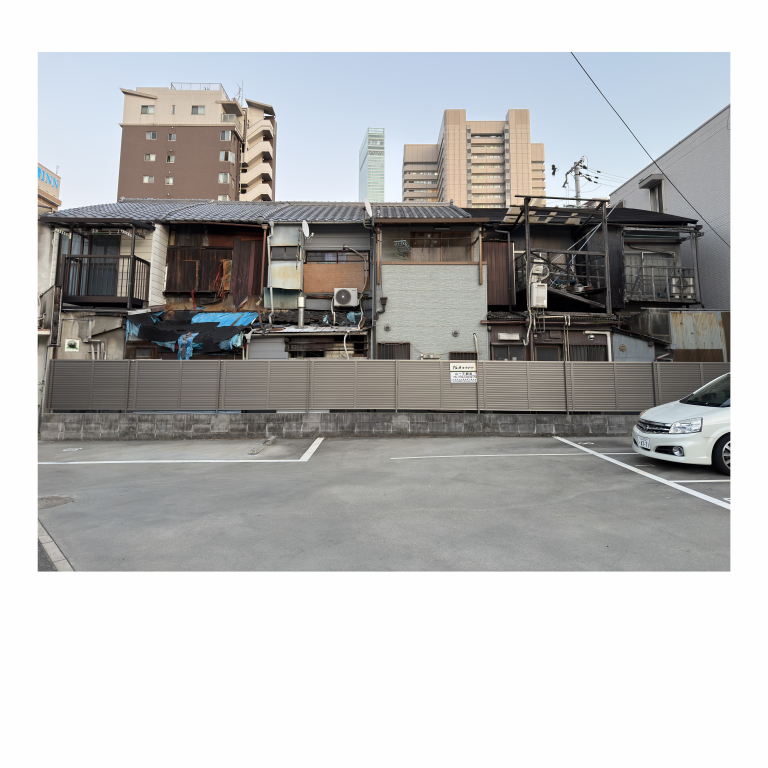

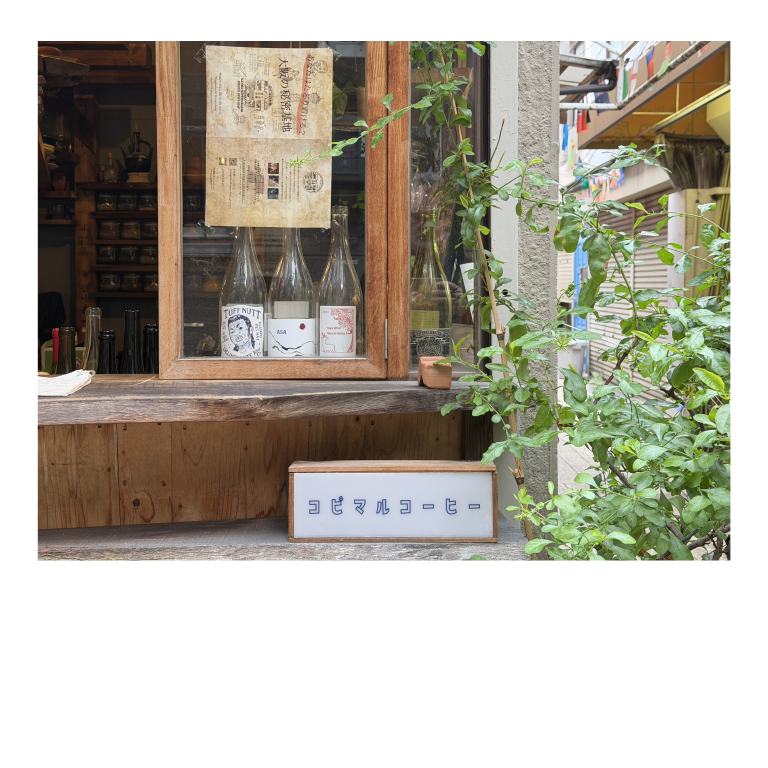
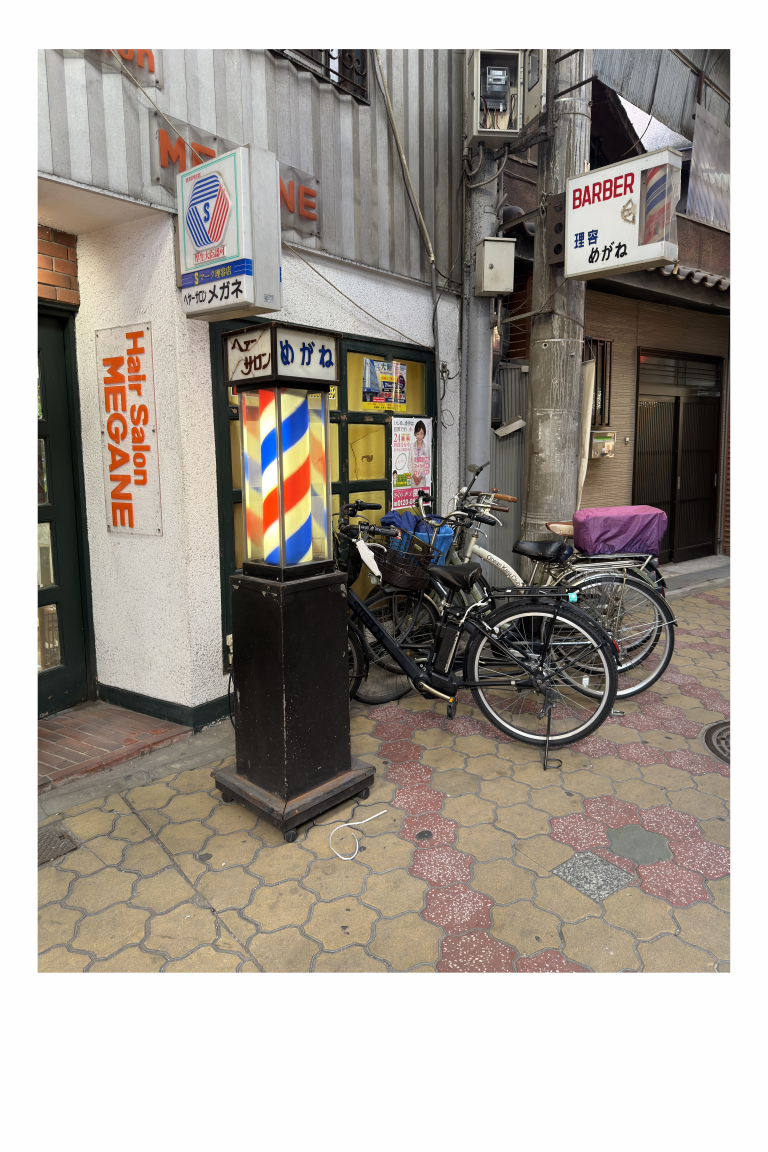
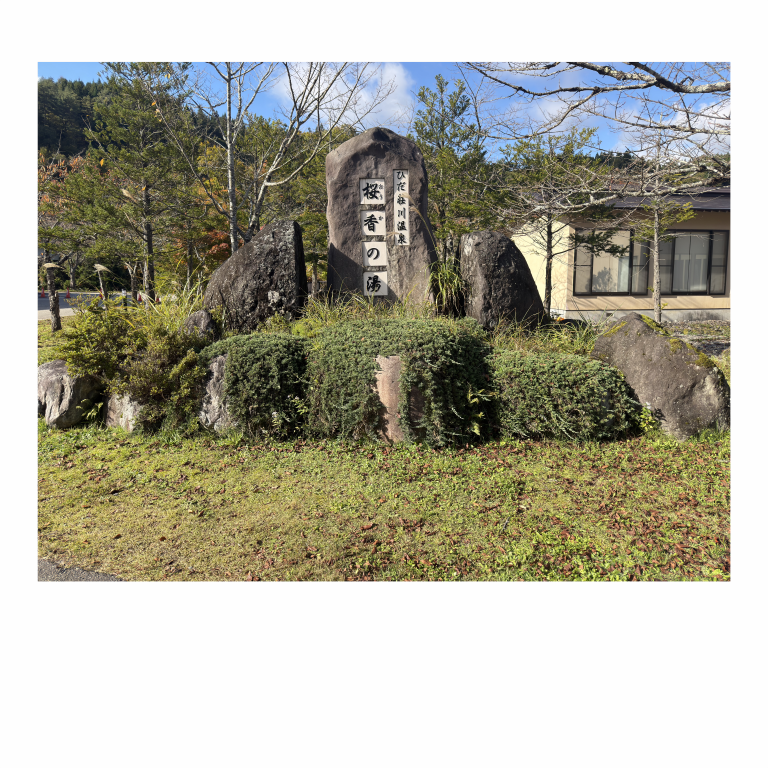



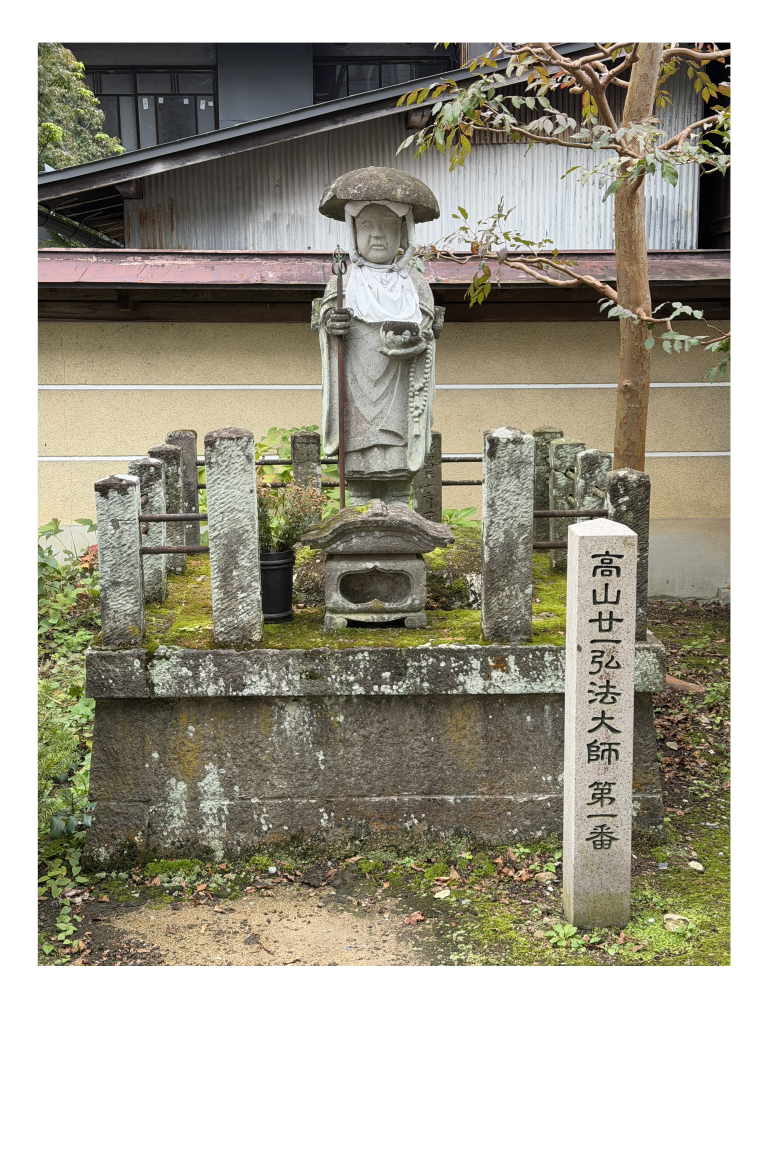

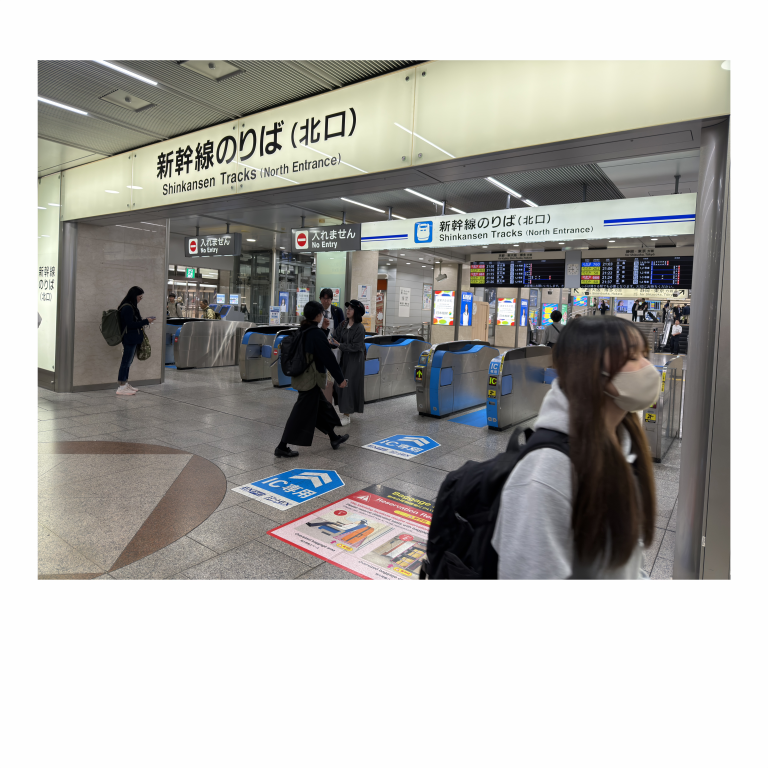
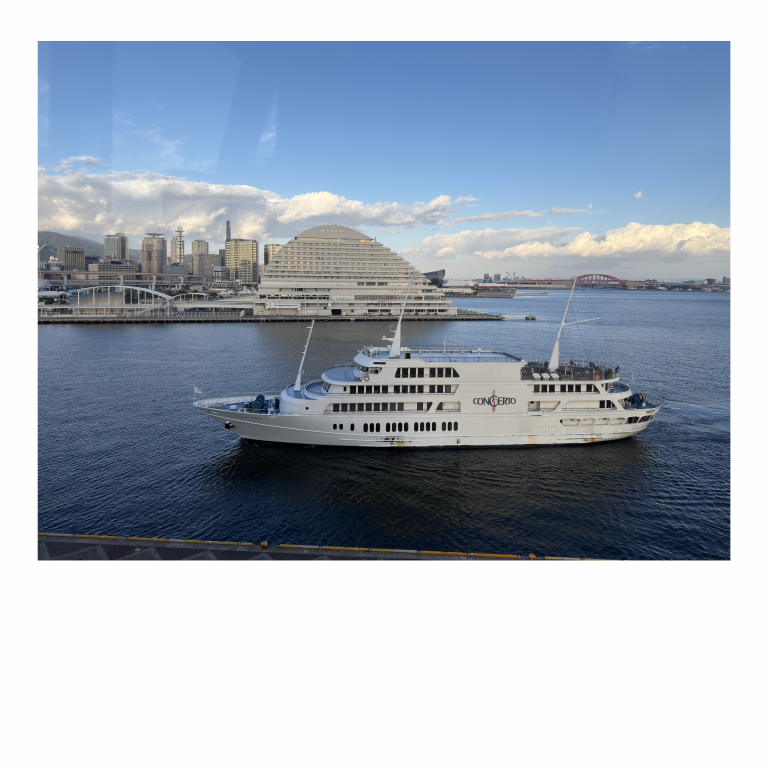

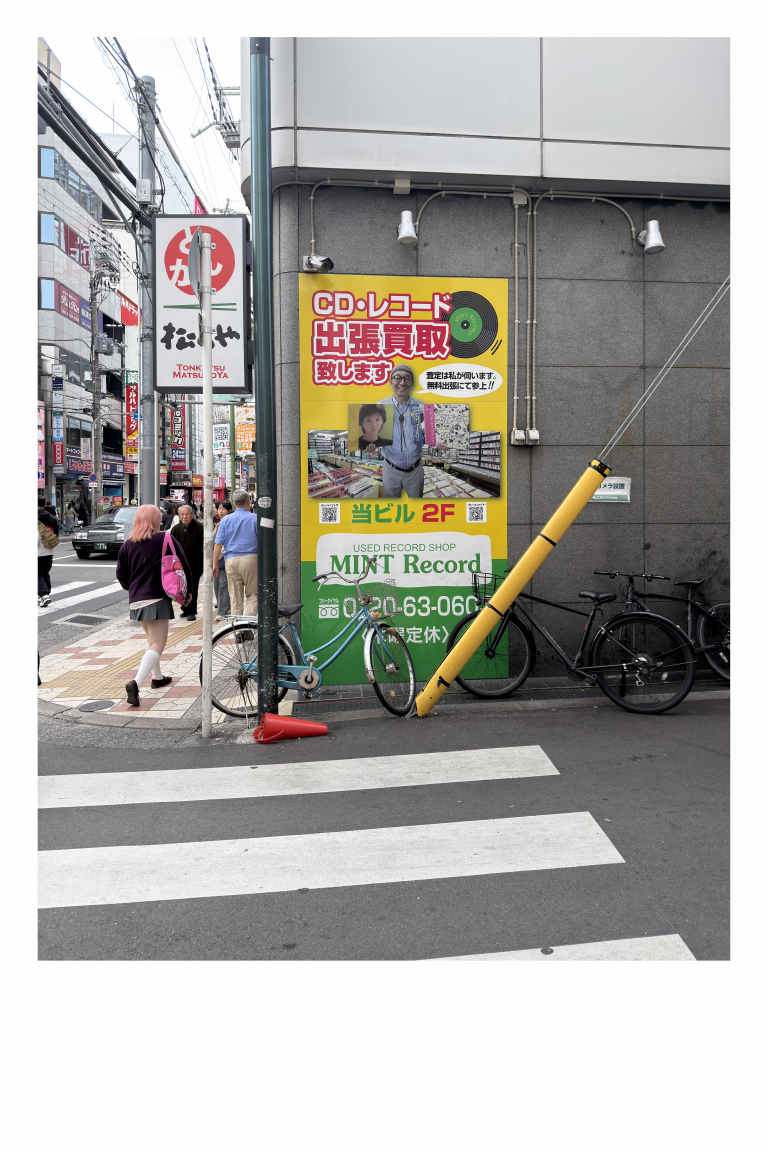
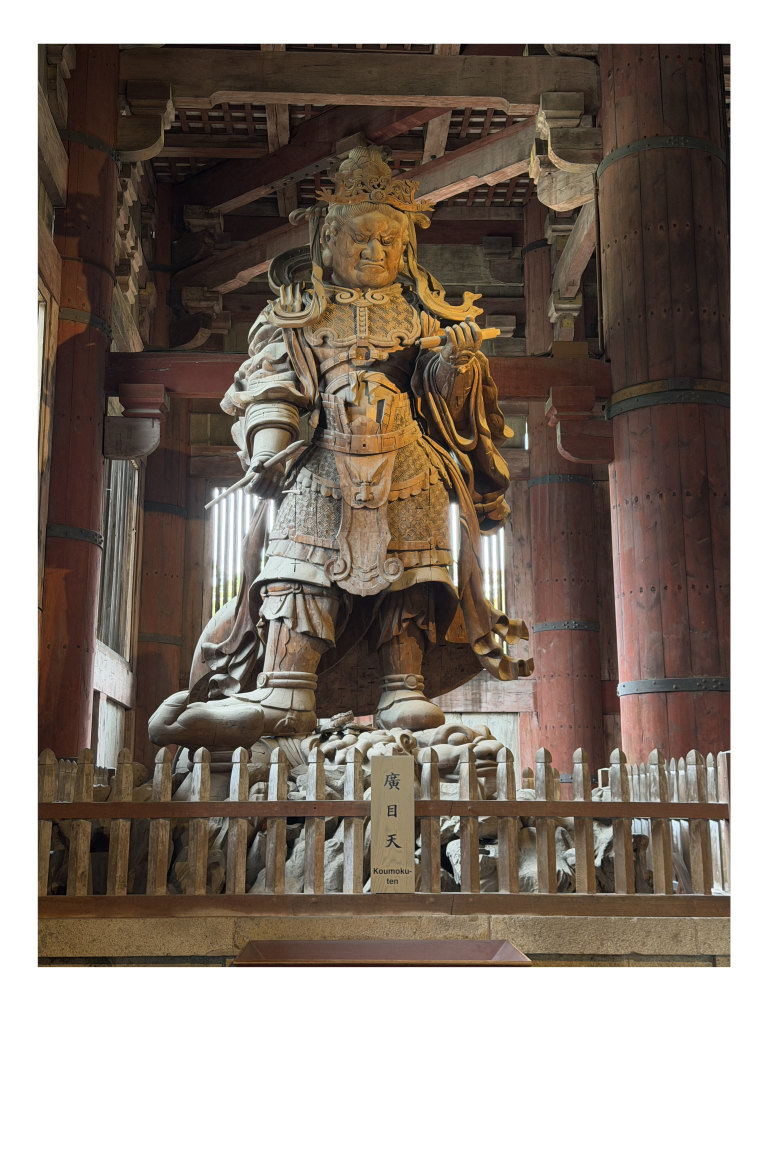
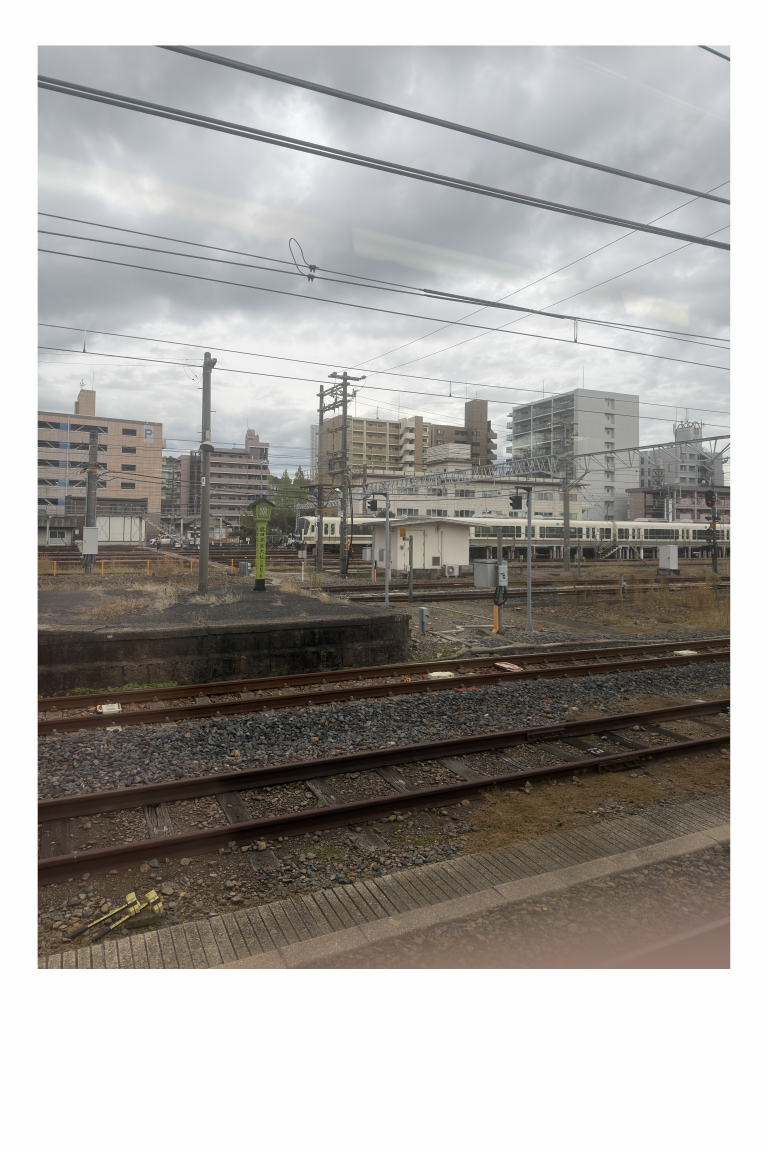
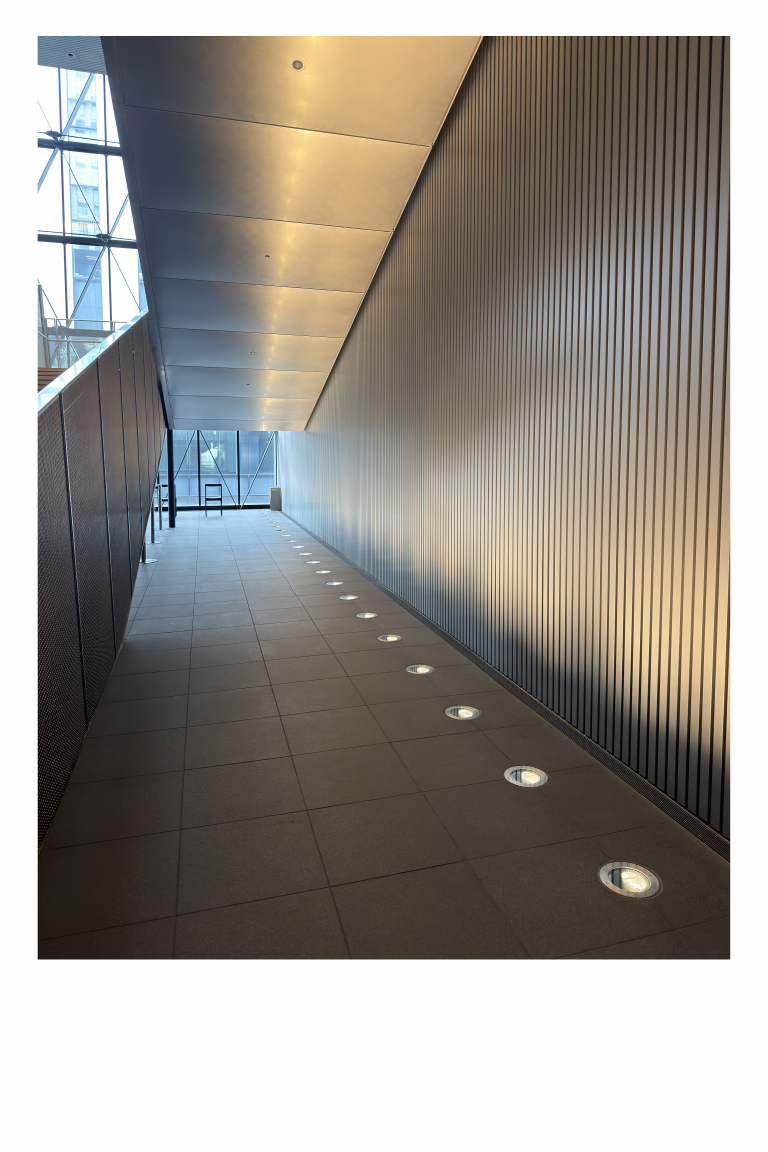
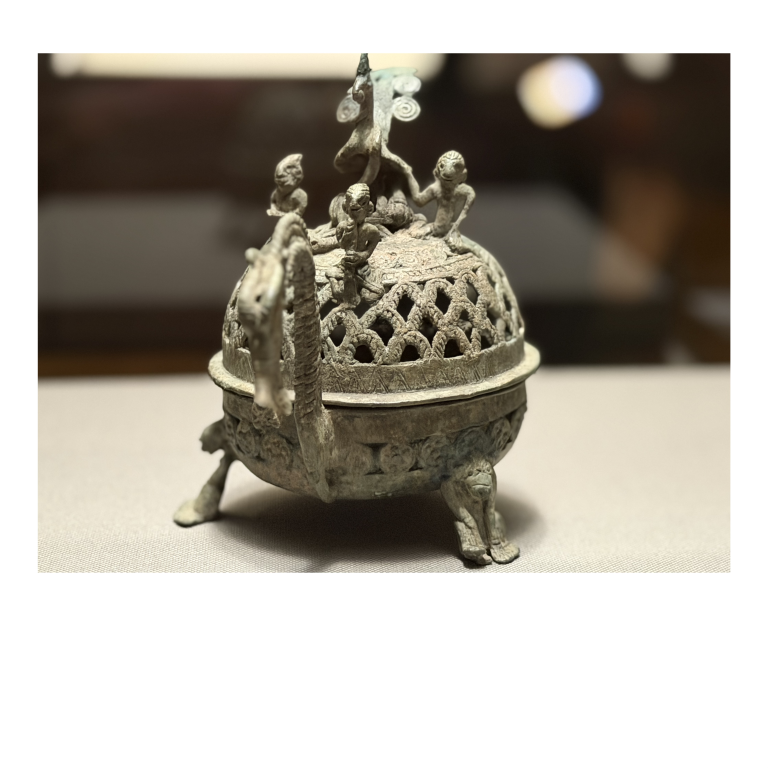
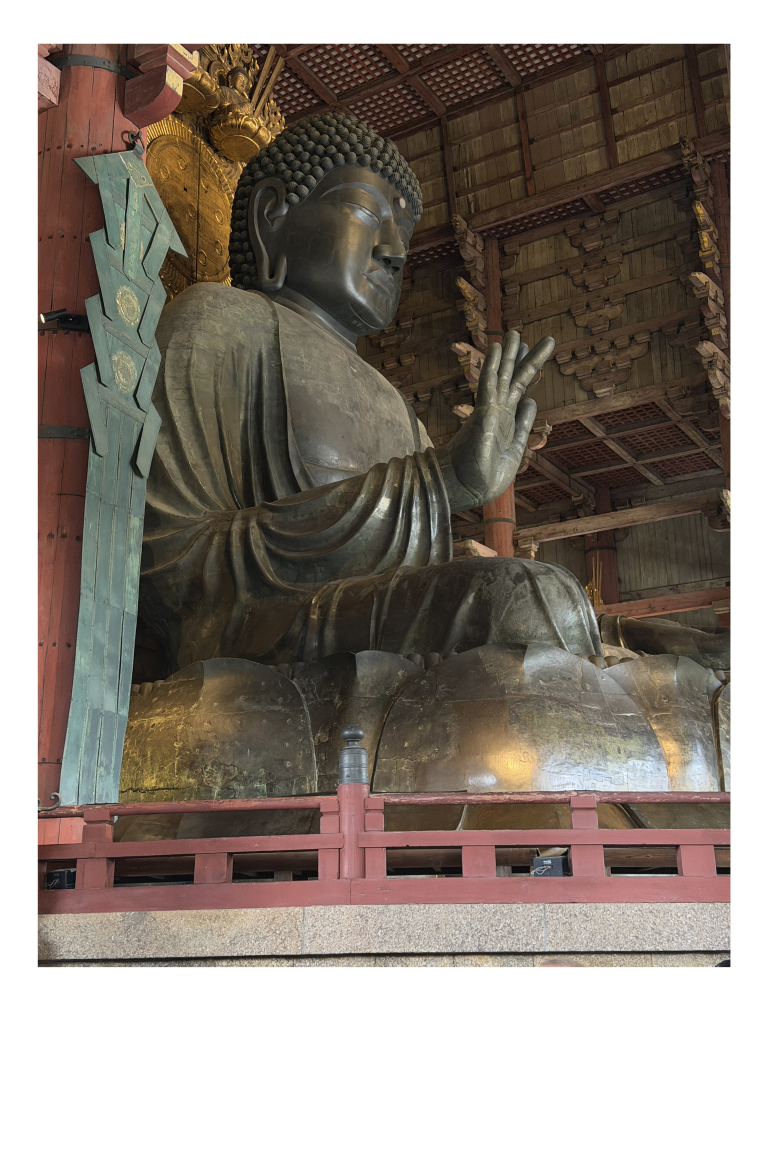
Why now? Because the cultural weather back home often feels fragmented—novelty chasing, hot takes, platforms training us to perform ourselves. Japan offered a quieter template: neither nostalgic retreat nor techno-fetishist sprint, but a metamodern both/and—tradition braided with experiment, heritage with play, reverence with reinvention.
Social Harmony Without the Performance
In dense spaces—stations, arcades, markets—I kept feeling order without coercion. Not silence, not repression; rather a shared, calm choreography that doesn’t license gratuitous impulsive behaviour. It’s social harmony that is lived rather than advertised. The result is oddly liberating: my “self” didn’t need to perform dominance or quirk to be seen; it could simply be among others.
Ambient Social Contracts: collective habits—queuing, spatial awareness, tidiness—create room for individual expression without turning every street into a stage.
Tradition as Active Infrastructure
Tradition isn’t vitrined; it’s integrated. Shrines sit beside convenience stores; craftspeople share lanes with capsule hotels. Historical memory of overreach is present not as performative guilt but as constraint: a norm of humility, reflexive introspection over virtue-signalling. The message I felt again and again: do the work, refine the practice, let the result speak.
Engineering Over “Tech”
If I had to name a love language I encountered, it would be engineering—systems that keep working, interfaces that respect attention, details that carry meaning forward over time. Different from technology for technology’s sake. The emblem I kept returning to is the mechanical pencil: a small masterpiece of repeatable precision, repairable parts, and tactile feedback. It stands as a pocket-sized ethic: iterate, maintain, improve; don’t just replace.
Co-existence at Human Scale
Mega-brands and micro-makers share streets without erasing each other. Independent shops and cafés stage an integrated aesthetic—references to the fantastic, the natural, and the symbolic—yet anchored by honest materials and respect for time. Instead of monoculture vs. subculture, I kept seeing polyculture with etiquette.
Method for the Series
- Listen before labeling: Let each post grow from field notes, not hot takes.
- Contribute, don’t extract: Collaborate where possible; respect provenance and context.
- Maintainable, not disposable: Fewer posts, better edited; repeatable formats; iterative updates.
- Show, don’t posture: Examples, audiovisual textures, specific design moves over abstract moralizing.
What’s Coming Next
I’ve posted a starter image gallery from this trip and I’m crafting soundscapes—street crossings, temple grounds, café clatter, rail interiors—and a montage pairing these sounds with stills to recreate the rhythm of moving through layered spaces.
- Ambient Social Contracts — What order feels like in crowded spaces.
- Small Tools, Big Ethics — The mechanical pencil and other everyday interfaces.
- Where Scale Meets Soul — Independent shops/cafes as metamodern studios.
- Tradition as Active Infrastructure — Heritage that regulates rather than decorates.
- Maintenance as Culture — Why systems that endure are more humane than fashions that churn.
- Tourist, Honestly — Owning first contact and setting a purpose for return.
Owning the Tourist Step
It would be dishonest to pretend I was anything but a tourist on this first visit. That outsider’s distance is useful if I treat it as step one, not a brand. The point now is to return with a clearer brief: to work purposefully with designers and artists already operating inside these traditions and experiments—listening first, offering skills are helpful, and learning to think with the grain of local practice.
A Metamodern Way Forward
If modernism said “progress” and postmodernism said “problem,” metamodernism says practice. We move between sincerity and irony, reverence and remix—and we keep making. Japan, in the small slice I met, models this oscillation without collapse. Cultural health isn’t choosing past or future, self or society; it’s habits that let these poles talk: craft and care, memory and iteration, restraint and delight.
Leave a Reply