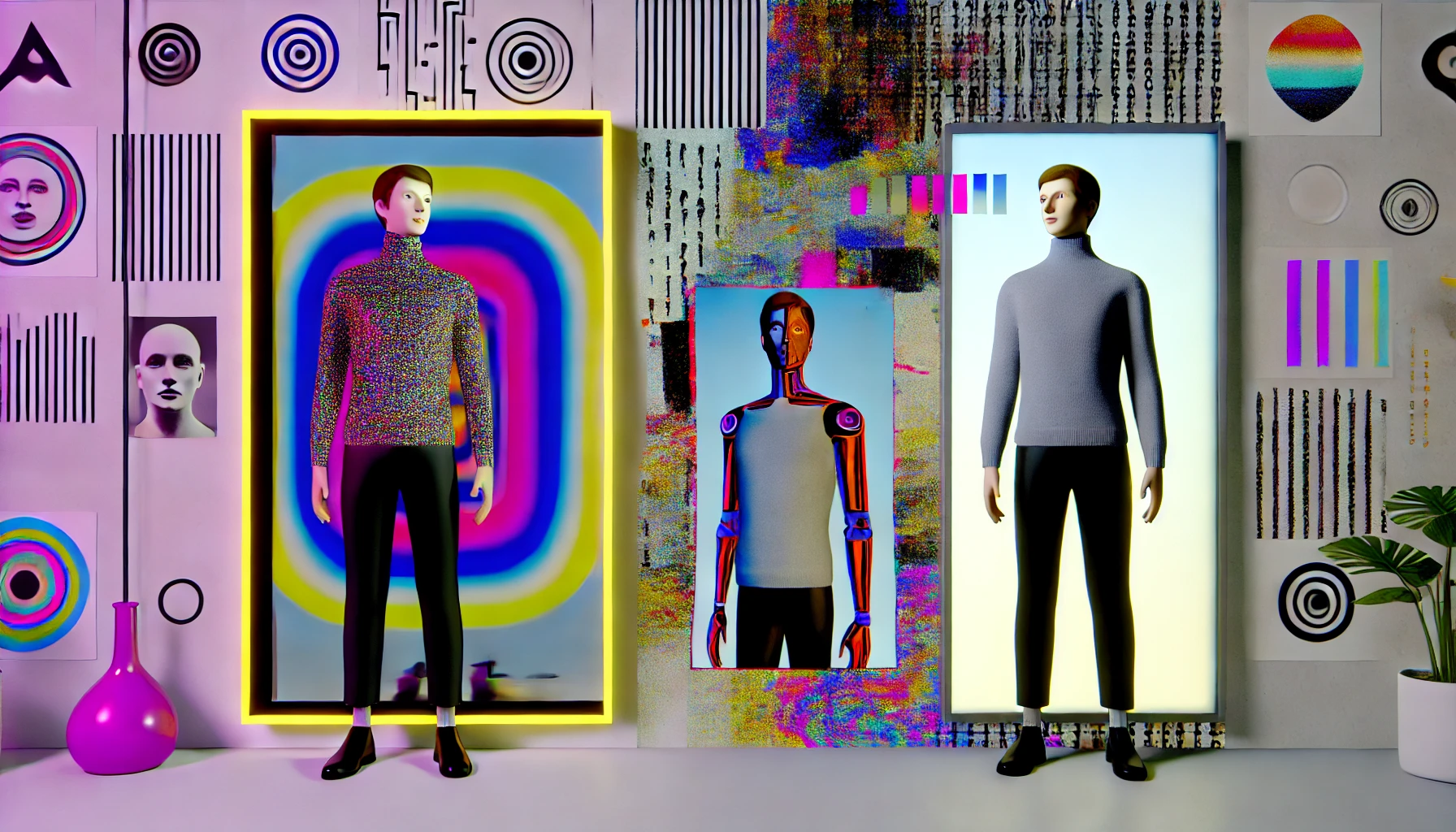
Given Carl Jung’s concept of enantiodromia, how might we anticipate a significant push-back against the contrived and simulated forms of persona management prevalent on social media platforms? As users increasingly engage in extreme forms of body modification, cartoonish self-representation, and highly charged ideological assertions, could we expect a natural shift towards authenticity and realism in their self-presentation? How might these exaggerate behaviours and presentations eventually transform into their opposites, reflecting a return to more naturalistic and realistic portrayals of self, driven by an inherent psychological need to restore balance and integrate the archetypal aspects of the authentic persona?
The process of psychological enantiodromia, according to Carl Jung, is based on the principle that when a particular psychological aspect is pushed to an extreme, it’s opposite will inevitably surface to restore balance within the psyche. Jung posited that this mechanism emerges as the unconscious compensates for the overemphasis on one side of the personality, leading to the integration of repressed or neglected aspects. This dynamic interplay between opposites is essential for maintaining psychological equilibrium and fostering personal growth, as the psyche continually seeks to harmonise its various components. This concept underscores the importance of balance and the cyclical nature of psychological development, where extremes are naturally countered by their opposites over time.
The use of social media as a projection of a contrived form of the persona is increasingly challenging the mental health of many individuals. The stylisation and simulation of identity and sense of self, often defined by and validated through social media, can lead to significant psychological stress. This pressure to maintain an idealised and often unrealistic online image fosters feelings of inadequacy, anxiety, and depression. The dissonance between the authentic self and the curated online persona exacerbates mental health issues, as individuals struggle to reconcile their identity with the exaggerated representations perpetuated by social media platforms.
Characteristics of social media anxiety and the pressures associated with self-expression on social media platforms include:
- Fear of Missing Out (FOMO): Anxiety stemming from the perception that others are experiencing more fulfilling lives.
- Comparison and Envy: Constant comparisons to idealised and curated images of others, leading to feelings of envy and inadequacy.
- Validation Dependence: A need for external validation through likes, comments, and shares, impacting self-worth and self-esteem.
- Perfectionism: Pressure to present an idealised version of oneself, leading to stress and anxiety over maintaining a flawless online persona.
- Cyberbullying and Negative Feedback: Fear of negative comments or cyberbullying, causing distress and impacting mental health.
- Addiction and Overuse: Compulsive use of social media, leading to neglect of real-life relationships and responsibilities.
- Privacy Concerns: Anxiety over personal information being exposed or misused online.
- Identity Confusion: Struggling to maintain a consistent self-identity amid the contrasting personas presented online and offline.
- Performance Pressure: Feeling the need to constantly update and engage with content to remain relevant and noticed.
- Time Consumption: The overwhelming amount of time spent managing social media presence, leading to burnout and fatigue.
These characteristics contribute to the broader phenomenon of social media anxiety, reflecting the complex pressures and mental health challenges associated with digital self-expression.
The principle of the enantiodramatic suggests that these factors leading to social media anxiety may turn into their opposites, reflecting a more balanced sense of self grounded in naturalism, moral responsibility, and realism in the following ways:
- Fear of Missing Out (FOMO): May turn into Contentment and Presence as individuals begin to appreciate their own experiences and focus more on the present moment rather than constantly comparing their lives to others.
- Comparison and Envy: Could transform into Self-Acceptance and Gratitude, where individuals start valuing their unique qualities and achievements, fostering a sense of gratitude for what they have rather than envying others.
- Validation Dependence: May shift towards Internal Validation and Self-Worth, where individuals derive their sense of worth from their intrinsic values and personal accomplishments rather than external approval.
- Perfectionism: Can evolve into Embracing Imperfection and Authenticity, where people become more comfortable showing their true selves, including flaws and vulnerabilities, leading to more genuine interactions.
- Cyberbullying and Negative Feedback: May give rise to Empathy and Constructive Feedback, where the online community becomes more supportive, focusing on positive and constructive interactions rather than negative criticism.
- Addiction and Overuse: Could turn into Moderation and Balance, with individuals setting healthier boundaries around their social media use, ensuring it does not interfere with their real-life relationships and responsibilities.
- Privacy Concerns: May result in Enhanced Security and Trust, where individuals take proactive steps to protect their privacy and trust social media platforms to handle their data responsibly.
- Identity Confusion: Can transform into Integrated Self-Identity, where individuals align their online persona with their true self, leading to a coherent and consistent sense of identity both online and offline.
- Performance Pressure: Might evolve into Authentic Expression and Relaxation, where the emphasis shifts from constant performance to genuine self-expression and relaxation, reducing the stress associated with maintaining a social media presence.
- Time Consumption: May be replaced by Purposeful Engagement and Efficiency, where individuals use social media more purposefully and efficiently, ensuring it adds value to their lives without dominating their time.
These shifts reflect the potential of a movement towards a more grounded, responsible, and realistic use of social media, fostering a balanced and authentic sense of self.
Carl Jung expressed concern that the one-sided development of the individual and collective consciousness leads to unresolved conflicts, which manifest in society through antagonism and exploitation. Social media, as a highly-contrived technology, has significantly disrupted the established balance within the collective unconscious. This disruption has facilitated the exploration of cultural narcissism on an unprecedented scale, amplifying self-centred behaviours and exacerbating societal divisions. The resulting imbalance highlights the urgent need for a more integrated and holistic approach to personal and collective development, to mitigate the adverse effects of this technological rupture.
Leave a Reply